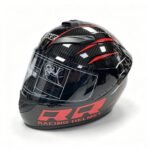
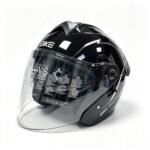
First is supplier verification. Before cooperation, you must verify the supplier’s official business qualifications, real factory scale, and export experience. Avoid middlemen and small workshops without formal production capabilities. Reliable suppliers have complete export procedures and rich experience serving overseas clients, ensuring smooth customs clearance and low trading risks.
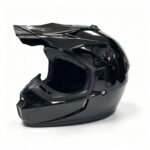
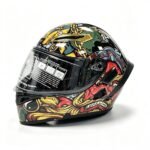
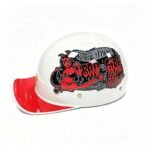
Second, check factory capability. A professional helmet factory needs standardized production lines, complete processing equipment, and strict quality control systems. Stable manufacturing processes effectively reduce defective rates and guarantee consistent quality for full-face helmets, half helmets, and off-road helmets, meeting unified wholesale standards.
Third, focus on official certifications. Safety certification is essential for cross-border helmet sales. Qualified suppliers must provide valid ECE, DOT, and 3C certifications. These authoritative certificates ensure your products comply with European, American and domestic market safety standards, avoiding sales bans and customs detention problems.
Fourth, evaluate production capacity. A trustworthy supplier maintains stable daily output and sufficient raw material reserves. It can support both small trial orders and large bulk orders, guarantee on-time delivery, and fully meet your peak-season stocking demands.
Finally, confirm customization support. Excellent helmet suppliers provide flexible OEM and ODM services, including custom logos, personalized painting, color matching, and surface finishing. Customized designs help you build unique brand products and improve market competitiveness.